
How to Integrate Sponsorships into School or Community Color Runs
A color run is built around an immersive, festive, and well-structured experience.
Between the color powder throwing stations, animation, water, snacks, food areas, and logistics, costs can quickly increase. That is where sponsorship becomes a powerful and practical funding tool. It helps finance the event while offering meaningful visibility to local businesses.
Below is a typical outline of how a NOUWEE color run unfolds, and how sponsorship can be naturally integrated into each stage.
1. The Pre-Race Warm-Up
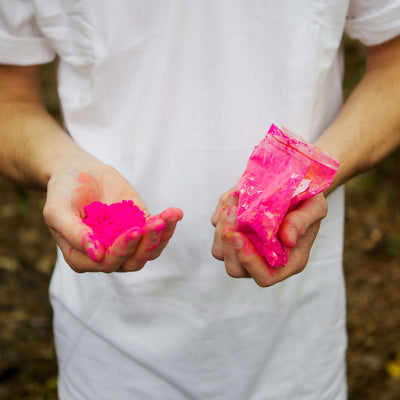
The day usually begins with a group animation session: music, microphone, high energy. Participants often wear white shirts, ready for their first burst of color powder.
A sponsorship opportunity can be linked to the warm-up session:
-
Zumba session
-
Cardio activation
-
Dynamic stretching
Example:
A local fitness studio leads the warm-up for 300 students. A banner is displayed behind the instructor, and the sponsorship is acknowledged over the microphone.
2. The Official Start
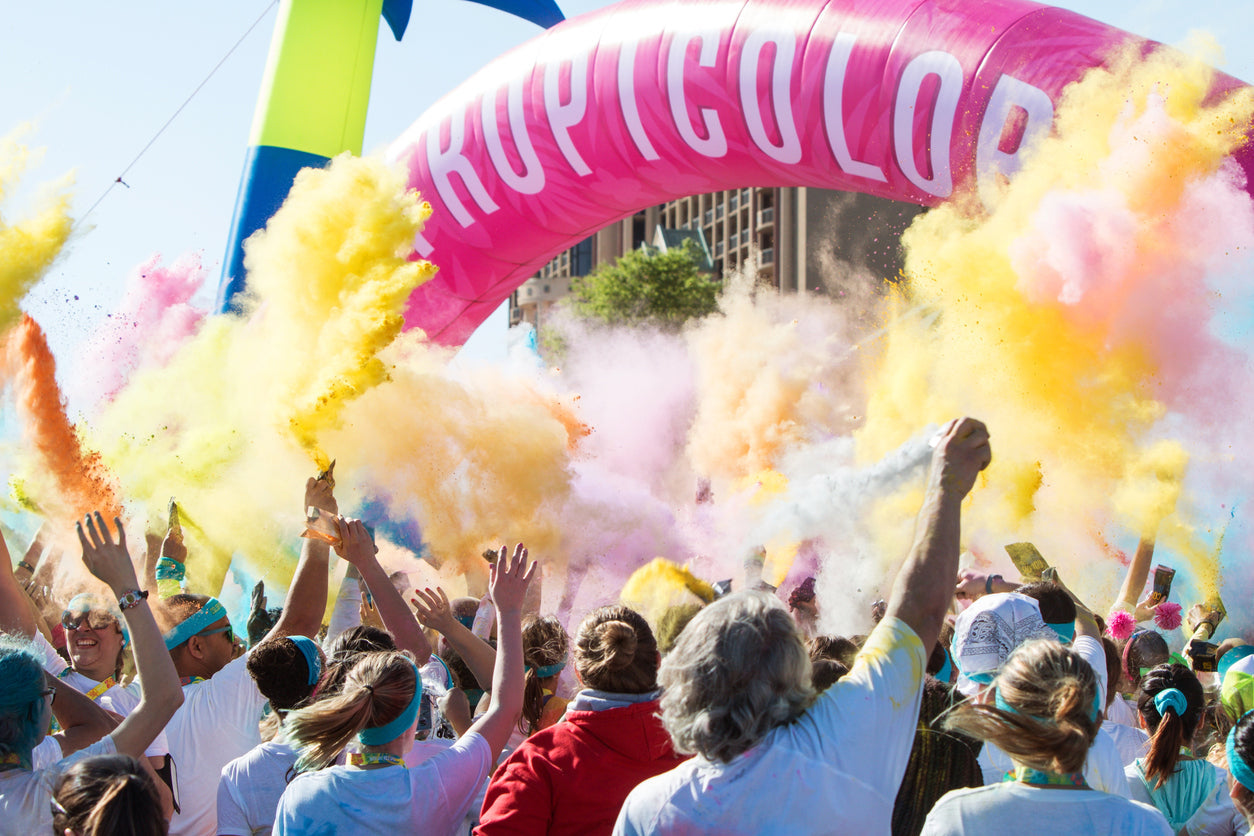
The race begins with a countdown followed by a symbolic first color powder throw.
The start line is a key moment to structure a strong sponsorship presence:
-
Start arch
-
Flags
-
Photo wall
-
Official microphone recognition
Example:
A local financial institution is associated with the official start. The sponsorship reinforces its community involvement, and its branding naturally appears in photos and videos.
3. The Color Powder Stations Along the Route
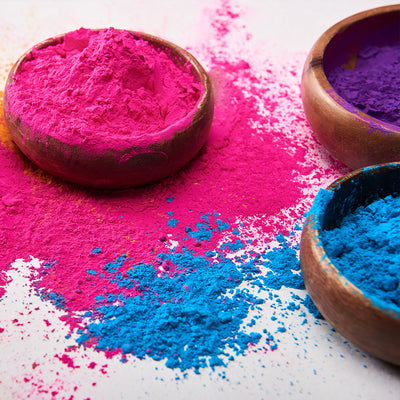
Color powder stations are the heart of the event. Each one represents a strong sponsorship opportunity because they generate powerful, highly shareable images.
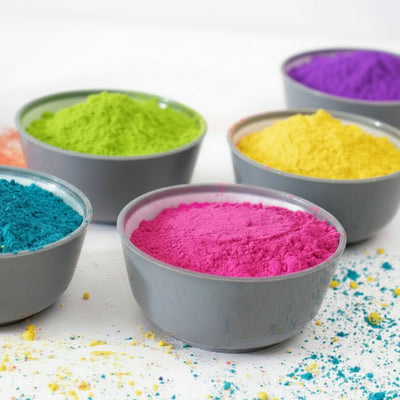
Each kilometer may feature a different color:
-
Pink
-
Blue
-
Green
-
Yellow
Example:
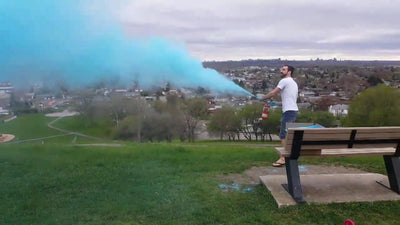
At the pink station, a decorated arch welcomes participants. A sign identifies the sponsorship: “Pink Station – Tremblay Bakery.” Volunteers count down “3… 2… 1…” and the powder explodes into the air. Photos circulate widely on social media with the sponsor visible in the background.
Another example:
At the blue station, a local credit union sets up a small information booth nearby. The sponsorship is visible without disrupting the athletic flow of the event.
4. The Water Station
Hydration is essential and represents a very logical sponsorship, as it is directly linked to safety.
A grocery store, pharmacy, or local business may provide:
-
Bottled water
-
Branded tables
-
Signage near the hydration point
Example:
Dubois Market sets up a hydration station midway through the course. Signage highlights the sponsorship, naturally associating the company with participant well-being.
5. The Snack Station
After crossing the finish line, participants move toward the snack area. This stage offers another well-received sponsorship opportunity.
Possible snacks:
-
Local fruit
-
Energy bars
-
Small baked goods
Example:
Tremblay Bakery provides mini colorful brioche buns. A sign identifies the sponsorship. Families stay longer, take photos, and share their experience online.
6. The Food Zone (Larger Events)
In municipal or festival settings, a food area can be integrated, often through sponsorship or logistical partnership.
Example:
A local food truck sets up near the finish area. The event atmosphere becomes more festive, participants stay longer, and the sponsorship benefits from direct exposure to families.
7. Post-Event Clean-Up
Clean-up, waste management, and site restoration are important operational elements. A sponsorship focused on environmental responsibility can be highly relevant.
In the context of a color run using biodegradable color powder, an environmentally aligned sponsorship provides reassurance to parents and municipalities.
Why Sponsorship Works So Well in Color Events
A color run naturally generates:
-
Spectacular photos
-
Short video clips
-
Social media posts
-
Strong community engagement
When sponsorship is integrated into a station (color powder, water, snacks), it becomes part of the moment participants want to capture and share. The visibility feels organic rather than promotional.
Types of Color Events Where Sponsorship Is Essential
School Color Runs
Common objectives:
-
Fund school trips
-
Purchase sports equipment
-
Support educational projects
Municipal Color Runs
Common objectives:
-
Strengthen community engagement
-
Attract families
-
Create recurring annual events
Charity Color Runs
Common objectives:
-
Raise funds for a cause
-
Increase awareness
-
Engage socially responsible businesses
Color Festivals
Common objectives:
-
Create a visually spectacular experience
-
Attract a wide audience
-
Extend participation throughout the day